Understanding High Voltage Power Supply Design for X-Ray Tubes
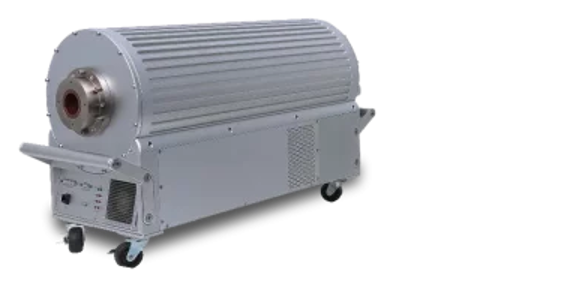
X-ray systems rely on carefully engineered electrical components to produce consistent radiation for imaging, inspection, and analytical applications. Among these components, a high voltage power supply for X ray tube plays a critical role by delivering the electrical potential required to accelerate electrons towards a target inside the tube. Its design influences output stability, image quality, operational reliability, and system safety.
Understanding the principles behind high-voltage engineering helps equipment manufacturers select suitable components and develop X-ray systems that meet specific application requirements.
Understanding the Role of High-Voltage Power Supplies
An X-ray tube converts electrical energy into X-ray radiation by accelerating electrons towards a target material. The power supply creates a high potential difference between the cathode and anode, enabling this process. Voltage determines the energy of generated X-ray photons, while tube current influences the number of electrons reaching the target and the resulting radiation output.
Maintaining stable electrical parameters is essential for consistent imaging and inspection performance. A well-designed power supply combines high-voltage generation, regulation, electrical isolation, monitoring, and protective mechanisms to support reliable equipment operation and safety.
Key Components of High-Voltage Power Supply Design
High-voltage power supplies incorporate several interconnected components, each serving a specific function within the overall system.
1. High-Frequency Power Conversion
Many modern designs use high-frequency switching technology to convert incoming electrical power into a form suitable for high-voltage generation. Switching circuits control energy transfer through a transformer and associated conversion stages.
Operating at higher frequencies can help reduce transformer size and support compact equipment designs. However, switching frequency must be selected carefully to balance efficiency, electromagnetic interference, thermal performance, and electrical component limitations.
2. High-Voltage Transformers
Transformers increase voltage to the levels required by the X-ray tube while providing electrical isolation between circuit sections. Their design requires careful consideration of insulation materials, winding arrangements, spacing, and electric field distribution.
High-voltage insulation must withstand operating stresses without breakdown. Transformer geometry and manufacturing quality are particularly important because defects, air gaps, or uneven electrical fields can increase the risk of partial discharge and insulation failure.
3. Rectification and Voltage Regulation
Depending on the circuit architecture, rectification stages convert alternating electrical signals into the voltage form required by the tube. Filtering and regulation circuits help reduce unwanted fluctuations and maintain appropriate operating conditions.
Voltage regulation is especially important when an application requires repeatable exposures or consistent inspection results. Engineers must consider ripple, transient response, load changes, and the accuracy of voltage monitoring when evaluating supply performance.
4. Control and Monitoring Electronics
Control electronics coordinate power conversion and help maintain operating parameters within specified limits. Monitoring circuits can measure voltage, current, temperature, and other relevant operating conditions.
These measurements support feedback control and help the system respond to changing loads. Well-designed controls also make it easier to detect abnormal conditions and implement protective responses before they cause equipment damage.
Important Factors Affecting Design
Voltage and Current Requirements
Every X-ray tube has defined operating limits for voltage, current, and power. Engineers must select a supply that matches these requirements while allowing for the intended duty cycle and application.
Security screening, medical imaging, industrial inspection, and analytical instruments may require different electrical characteristics. Selecting components based solely on maximum voltage can therefore overlook other essential requirements, including current capacity, stability, and operating duration.
Electrical Insulation and Safety
High-voltage equipment requires careful safety planning to prevent electrical hazards. Designers must incorporate suitable insulation, grounding, protective enclosures, interlocks, and discharge mechanisms. Clearance and creepage distances should reflect operating voltage, environmental conditions, and applicable standards.
Protection against overvoltage, overcurrent, and overheating is essential. Regular testing and maintenance help preserve insulation integrity, support reliable operation, and maintain safety throughout the equipment’s service life.
Thermal Management
Power conversion components generate heat during operation, making effective thermal management essential. Transformers, switching devices, and rectifiers must remain within specified temperature limits. Engineers may use heat sinks, forced-air cooling, and conduction paths to control temperatures.
Evaluating thermal performance under realistic operating conditions helps prevent overheating, reduce thermal drift, maintain electrical stability, and extend component lifespan throughout the equipment’s expected service life.
Electromagnetic Compatibility
Switching circuits and high-voltage systems can generate electromagnetic interference that affects nearby electronics or sensitive measurement equipment. Proper circuit layout, shielding, grounding, filtering, and cable routing help control unwanted emissions and improve immunity.
Electromagnetic compatibility is particularly important in integrated imaging systems, where power electronics operate alongside detectors, control processors, communication interfaces, and precision measurement circuits.
See also: Professional Tech Line 05031647749 Reliable Business Access
Selecting a Generator for an X-Ray System
Choosing a generator for X ray machine requires evaluating more than electrical ratings. Manufacturers should consider tube specifications, application requirements, output stability, mechanical dimensions, control interfaces, and operating conditions. Compact designs can simplify integration, while compatible interfaces support communication with system controllers. Serviceability, technical documentation, and long-term support are equally important.
Before selection, verify voltage and current limits, cable connections, insulation, cooling requirements, and control compatibility. Testing under representative operating conditions helps confirm performance, identify integration issues, and ensure the generator meets the equipment’s operational requirements.
Testing and Quality Assurance
Comprehensive testing ensures a high-voltage supply operates safely and reliably before deployment. Electrical assessments evaluate output voltage, current regulation, ripple, stability, transient response, and protective functions. Insulation and high-voltage withstand tests verify electrical integrity, while thermal assessments examine component temperatures under expected operating conditions. Electromagnetic compatibility testing evaluates interference and immunity.
Manufacturers should establish acceptance criteria based on specifications, risk assessments, and applicable standards. Maintaining traceable test records supports quality control and troubleshooting. Qualified personnel should conduct testing under varied loads, temperatures, and duty cycles using appropriate equipment and safety procedures.
Conclusion
High-voltage power supply design combines electrical regulation, insulation, thermal management, safety, and quality testing to support reliable X-ray system performance. Manufacturers must evaluate tube specifications, output stability, operating conditions, and integration requirements before selecting suitable components. Choosing the right high voltage power supply for X ray tube helps OEMs develop efficient, dependable equipment for imaging, industrial inspection, security screening, and analytical applications.
Modern X-ray equipment requires reliable components, precise engineering, and seamless integration. VJ X-Ray supports OEMs with integrated X-ray sources and high-voltage generators for inspection and imaging. Their compact solutions combine X-ray tubes, power supplies, and control electronics. They also offer customization and engineering support for security, food, industrial, medical, electronics, and analytical applications, helping manufacturers meet specific requirements and develop reliable systems for demanding operating environments.